
 The Trumpet of Jericho is a prize for special services to the reform of the Catholic Church. The award goes to people who stand up against outdated church rules. Especially people who have been punished for this by the church leadership are worthy of the award, for example by losing their job or limiting their career.
After the successful first presentation of the trumpet by Jericho to Doris Reisinger in October 2021, this year’s winner is Josef Pampalk, political scientist and Afrikanist. As a former missionary of the White Fathers in Mozambique, he witnessed how the bishops there submitted to the colonial power of Portugal. A 1940 concordat between Salazar and the Vatican decreed that the missions were considered an agency in the service of the Portuguese Empire, that the colonial government selected and paid the bishops, They expected clear support in maintaining colonialism. Those who criticized or stood up for the rights of the locals were punished or expelled from the country. When the White Fathers decided to protest, they were expelled from Mozambique in 1971. The Vatican’s support for colonialism led to the resignation of Pampalk and other "White Fathers".
This award cerenibt will take place on Friday 7 October 2022, 18:00-20:30 at 1010 Vienna, ÖJAB-Haus Johannesgasse 8, Vivaldi-Saal
Read the invitation Invitation - Program:
Ewald Benes: Why this award was created
Margit Hauft: The decision of the prize committee
Paul Zulehner: Mission today - learning from mistakes - Tasks of the Church
Eric Morier-Genoud: History of the Roman Catholic Church in Mozambique
Rudolf Mayerhofer-Sebera: Laudation: Meaning and purpose of this nomination
Presentation of the prize
Josef Pampalk: Thanksgiving and message from the recipient
Press contact: Ewald Benes,

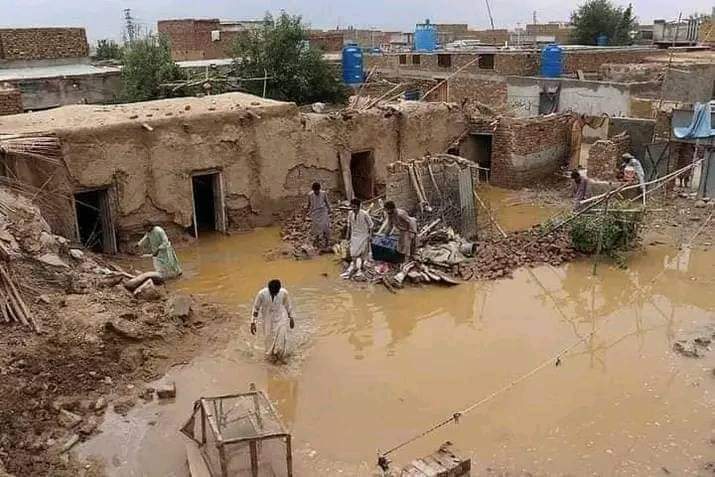 The Prime Minister of Pakistan declared an emergency in the country and called upon the international community for help for Pakistan during this hard time. General Secretary of UN visited Pakistan and told the international community that Pakistan is facing a humanitarian crisis and called upon all agencies to help Pakistan. He also said that this is just a start of destruction due to climate change. If the world does not take proper measures, this will expand on a much bigger level.
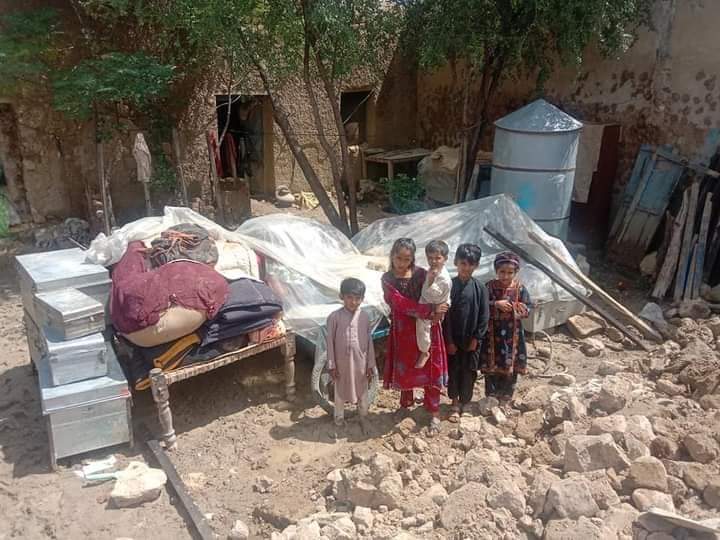 In some of the areas water is going down but there are now diseases taking place like diaheria, maleria and skin diseases. There is also shortage of medicine and medical staff.
 The Synod Office have received 104 National Syntheses out of the 114 Bishops conferences from around the world. But less than 50% of these National Syntheses are publicly available!